

Picking an auspicious wedding date with your BaZi chart
A wedding date is rarely one person's decision — the venue, the season, and both families are all competing for the same few weekends. So this tool starts from the range you can actually use, compares every day in it against your chart and the lunar cycle, and tells you which of those days runs smoother and at which hour. It will never say "this is the only day you can marry."
Wedding / Commitment
Wedding / engagement / registration — pick a day that works for both people
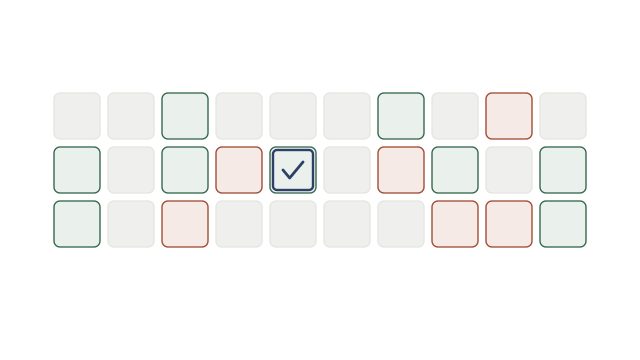
28 of the next 60 days are usable
- Waxing
- Waning
- Balsamic (pre-new)
Every cell is computed from the real calendar, not a mock-up — open this page tomorrow and the chart has moved.
A waxing moon over a waning one
In the Western electional tradition, a growing moon suits a beginning. The waxing phases score highest for a wedding; the three days before a new moon score lowest.
Your day branch, combined or clashed
Days whose branch combines with your day branch (the spouse palace in BaZi) gain the most here — and a clash costs more in this scenario than in any other.
The weekend you can actually book
Constrain it to Saturdays and Sundays, exclude the dates the venue is taken, and the comparison only runs on days you could really hold it.
What each moon phase means for a wedding
Western date selection has one signal almost everyone actually uses, and it is the moon. Below is the full cycle with what each phase traditionally suits. The tool scores your candidate days against this and then layers your own chart on top, which is why two people asking about the same weekend get different orders.
| New moon | The classic start of a cycle. Excellent for launching something, but for a wedding it reads as too early — the day itself carries no visible light. |
|---|---|
| Waxing crescent | The strongest wedding window in this system. Growing light with the ceremony still ahead of the peak — this is where the tool tends to place its top picks. |
| First quarter | Momentum with friction. Traditionally the point where a commitment meets its first real test, which some couples choose deliberately. |
| Waxing gibbous | Nearly full and still growing. Scores almost as high as the crescent and often lands on the weekends people can actually book. |
| Full moon | The peak of attention and feeling. Wonderful for a party, harder for a day that also needs logistics — it scores positive here but never highest. |
| Waning gibbous to last quarter | Releasing, not beginning. These days score negative for a wedding and positive for the difficult-conversation scenario, which is the same rule read from the other end. |
| Balsamic (the three days before new) | The rest period. The lowest-scoring days in this scenario, and the only ones the tool will actively steer you away from. |
The most common misuse: reading it as a prohibition
The days a tradition marks against a wedding are often the days a venue is cheapest and easiest to book. When that happens, the position here is straightforward: what you get is a relative order within days you could already use, not a ruling. Choosing a lower-scoring day is a trade you are entitled to make — the budget you save, the relative who can only travel that weekend, the photographer with one free date are all real weight on the other side. The one use this tool does not support is quoting it at someone else to argue that a date is forbidden.
Put the range both families can live with into the tool above. It applies this cycle and then your own chart, so what comes back is an order within days you could already have booked.
Do I need both partners' birth details?+
Not here — this phase computes from one chart, usually whoever is leading the planning. For how the two of you match, use the compatibility tool, which is built for two charts.
Does it use the Chinese almanac?+
On the English site it uses the moon phase, which is what Western date selection actually relies on. The Chinese and Japanese versions of this page apply their own systems — the almanac and rokuyō respectively.
Why does it show a fit score instead of "lucky"?+
Because a luck grade reads as a verdict. What you get is a relative ranking within the dates you can use, plus the specific reason each day placed where it did.