

Scheduling deep work: which day to give it
A thesis, a deadline draft, an exam, a proposal that has to be finished in one sitting — this scenario looks for the days your attention holds and your energy is steady. It is the least traditional of the seven: no almanac has an entry for "deep work," so the traditional layer is deliberately weighted down here and your own state curve does most of the work.
Deep Work
Sustained focus — pick a day with fewer distractions and a smoother cognitive load
Peach-blossom penalty
The steepest single negative across all seven scenarios sits right here.
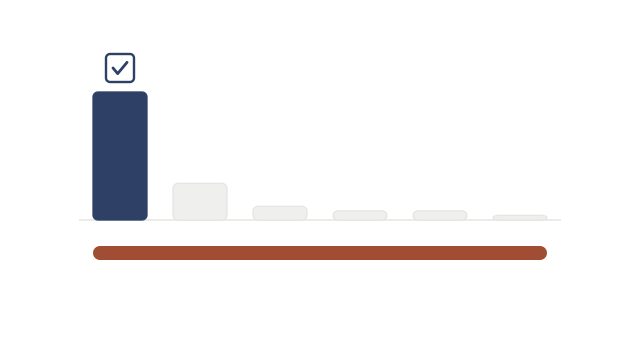
This chart shows the weighting table inside the engine rather than a date range, so it looks the same every day — and that table is exactly why this scenario picks different days from the other six.
Energy, not fortune
The health dimension carries the weight — sustained focus runs on physical reserves more than on how auspicious a day is.
The heaviest distraction penalty
Peach-blossom days take the steepest negative of any scenario: rising social pull is exactly what deep work cannot afford.
Hours for absorbing
Hours ruled by the resource ten gods suit sinking into something; the self-element hours suit pushing through it alone.
Schedule by block length, not by day
"I have energy today" does not convert into a calendar entry. A block does: how long you intend to work without stopping. The three below make completely different demands on the date, so decide which one you need before going back up to pick.
90 minutes
One full attention cycle. The tool recommends windows in traditional two-hour branches, which fits a block exactly — and the date barely matters, because almost every day has one.
Half a day, about 4 hours
Needs two consecutive branches to both hold up. At this length the day starts to matter more than the hour, and the days the tool ranks first are worth claiming.
A full day
Only worth it on the one or two days that score clearly above the rest. A full-day block costs you everything else that day, so getting the date wrong costs ten times what it does for a 90-minute block.
The most common misuse: picking a day instead of starting
Choosing a day is one of the most convincing forms of procrastination available, and this scenario is where it bites hardest. The test is simple: if you have spent longer on this page than you have spent actually concentrating today, the tool is working against you. The reasonable use is two minutes to see which two days this week suit a full-day block, and then closing the page to go and do the thing. A 90-minute block does not need a day picked for it at all.
Decide the block length first, then put the range you can free up into the tool above. The ordering it returns is for full-day blocks; a 90-minute block does not need a day picked for it, only an hour.
Why is the traditional layer weighted down here?+
Because classical date selection simply has no entry for this. Forcing ritual entries onto it would be padding, so the tool says so and leans on your own daily curve instead.
The recommended hour is the middle of the night.+
Hours are ranked by the traditional two-hour branches, so some land late. Take the best one you can actually use — this is a ranking, not an instruction.
Does this replace a focus method?+
No. It only decides which day to put the block on. How you work inside it is a separate question.