

The best day to open, launch or start
Choosing an opening day works differently from choosing a wedding day: it rewards momentum rather than stability. This scenario weights the day-over-day climb, the career and wealth dimensions, and — on the English site — the waxing moon, which is the classic Western signal for beginnings. It fits a storefront opening, a company registration, a product launch, a kickoff, or any first public outing.
Start Something New
Launch, registration, kickoff, first public outing — pick a day with momentum
- New and waxing moon
- Balsamic (pre-new)
Every cell is computed from the real calendar, not a mock-up — open this page tomorrow and the chart has moved.
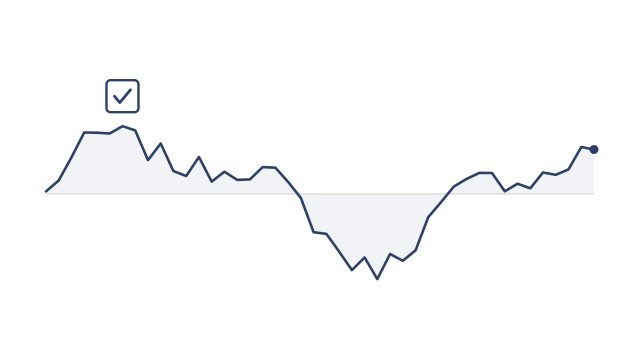
A new or waxing moon leads
The new moon scores highest for beginnings, and the balsamic days just before it score lowest. It is the strongest single signal in this scenario.
Momentum, not just level
Unique to this scenario: between two days scoring alike, the one still climbing relative to the day before ranks ahead.
Career and wealth carry the weight
The dimensions that matter for getting something off the ground are weighted up; the relationship dimensions barely move the ranking.
An opening is not one day, it is four
Most people pick only the day the doors open, and end up doing the build-out, the delivery and the soft launch on the worst days in the range. Traditionally these are four separate events with four different levels of importance. Run the scenario once per window, in this order.
- 01
Signing and registration
The lease, the company registration, the licence. This is the step people forget to pick a day for, and it is the day the thing legally begins — which is why the tool treats it as a start, not as paperwork.
- 02
Breaking ground / starting the fit-out
Hard to stop once it starts, so it is worth pushing a few days later rather than beginning it on the weakest day in the range.
- 03
Deliveries and stock
The least demanding of the four. A poor day here costs little, so let it give way to the two that matter.
- 04
Soft launch
The first time money changes hands. Momentum starts counting from this day — it is closer to the real beginning than the official opening is.
- 05
Opening day
The one day worth rearranging other things for, and the one the tool picks for you by default. In this scenario the new and waxing moon carry the most weight here.
The most common misuse: handing the date the problems that belong to the plan
The momentum of an opening day affects the start, not whether you have customers. If the location is wrong, the pricing is wrong, or the product is not ready, a high-scoring day only means you open a business that cannot work on a smoother morning. Date selection sits late in the order of things that matter for an opening: it is worth half an hour, not worth a month of delay. What deserves the delay is whatever is still unresolved.
The third and fourth days are the ones to take seriously. Put the acceptable range for the soft launch and for opening day in separately, and the tool will show you which days in each are still climbing.
Can I use one date for both the build-out and the opening?+
You can select them separately. Breaking ground, fitting out, and opening to the public are traditionally distinct events — run the scenario once per window.
Does it work for a software launch?+
Yes. Launches, registrations and first public appearances all sit in this scenario — the weighting is about momentum and outward expression, not about having a storefront.
Why not just tell me a lucky score?+
A score reads as fate. You get a relative ranking within your own range plus the specific reason for each day — moon phase, momentum, and how the day sits against your chart.